For asset managers and market infrastructure
Tokenization research for asset managers and market infrastructure
Which managers launched tokenized funds this quarter, which custodians, transfer agents and clearing houses carry them, and what regulators asked about them. We map it from the public record and tell you what to do next.
It reaches you as a report, with no access to your systems.
 PerceptionSystem example
What did the OCC change for US banks offering crypto services in 2025?
Illustrative System output. Saved research · 23 Sep 2026
The market map
What’s in a tokenization market map
- Your peers
- Which asset managers and banks launched tokenized funds, share classes or collateral programs, and what they filed, announced and said about them.
- The rails
- The custodians, transfer agents, settlement platforms and chains each launch runs on, and who partnered with whom.
- Policy
- The rules, guidance and consultations that set what you can tokenize and where, with the original documents.
- Three recommendations
- What to do next, ranked.
Each map is built for one team (strategy, research, product or BD) and names it.
Launches
See who launched, and on which rails
We follow tokenized funds, share classes and bond issues as they launch: who issued them, where they’re held and settled, and how the issuer described the move.
Which asset managers launched a tokenized fund or share class in the last 90 days, and on which chain?
Partnerships
Follow the deals behind each launch
Partnerships between managers, custodians, transfer agents and settlement platforms, plus senior hires and new business lines, each dated and linked to its source.
Which custodians and transfer agents announced tokenization partnerships this quarter?
Policy
Know what each regulator asked
Consultations, guidance and rule changes on tokenized funds and collateral, with the original documents, so your legal team starts from the source.
What did ESMA ask in its October call for evidence on tokenized collateral in central clearing?
How it reaches you
It arrives as research
A market map is a report. Perception Advisory adds a weekly brief and a strategy call each month. Your team reads them the way it reads any research it buys today, with no software to install and no access to your systems.
Perception Advisory
Keep the research coming every month
If the map is useful, Advisory keeps it current: research, strategy and content on your market, with the terminal for your team (10 seats).
Book a demoClients
A selection of current and former clients
How teams use the Perception record in their own work.

Tracks competitor narratives and regulatory shifts across regions, and turns them into one view for leadership.

Picks content themes from live narrative data, and grew content reach and impressions 5-10x.

Runs competitive mention reports to sharpen client pitches, and landed Fortune and WSJ newsletter mentions for a client.

Builds its quarterly investor reports on Perception data, explaining what moved the market and why.

Sample work: our section of Epoch VC’s 2026 Bitcoin ecosystem report (opens in a new tab)
Frequently asked questions
Does Perception need access to our systems?
No. The research reaches you as a report and, on Advisory, a weekly brief. There is nothing to install.
What does a tokenization market map cover?
Your peers’ launches, the custodians and platforms behind them, the policy that sets what you can tokenize, and three recommendations, ranked.
Do you work with tokenization platforms and issuers?
Yes, on the same terms. It starts with a market map, and Advisory follows if the research is useful to you.
Who does the research?
Our founder leads every project and writes the recommendations himself. He spent four years as VP of Marketing at Blockstream and ran digital strategy at Universal Music Group.
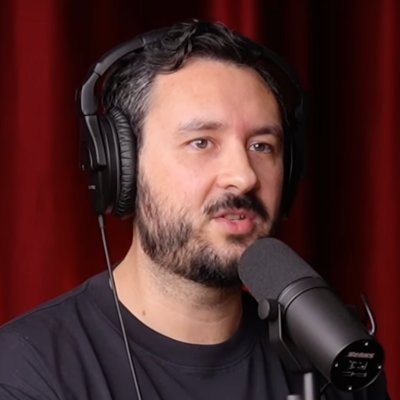 Fernando Nikolicex-Blockstream, ex-UMG
What happens after the map?
If it’s useful, Perception Advisory keeps the research coming every month, with the terminal for your team.
Tell us about your market
Answer a few questions, pick a time, and our founder shows you what a market map of your market would cover.
Fernando Nikolicex-Blockstream, ex-UMG